
For over two years, we have tracked client transformations with remarkable results. Our protocol is currently undergoing formal publication to validate what our clients already know: this works.
"Recovery is no longer a mystery. It is a process."
📊 From 53 clients surveyed December–March
Discover how IHF guides individuals toward real recovery through a science-based protocol targeting the nervous system, microbiome, and lifestyle.
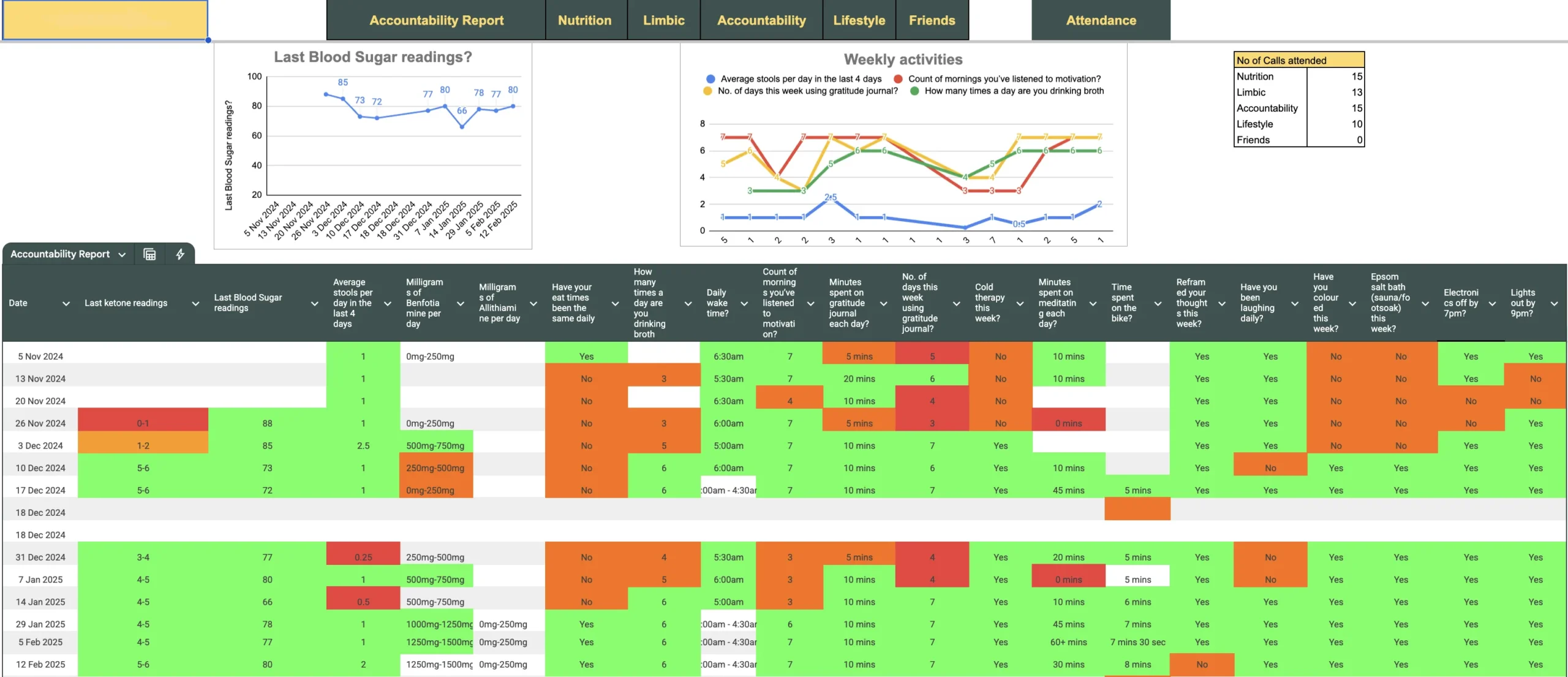
We measure real-world improvements. Here's what our data shows: from clients surveyed December to March:
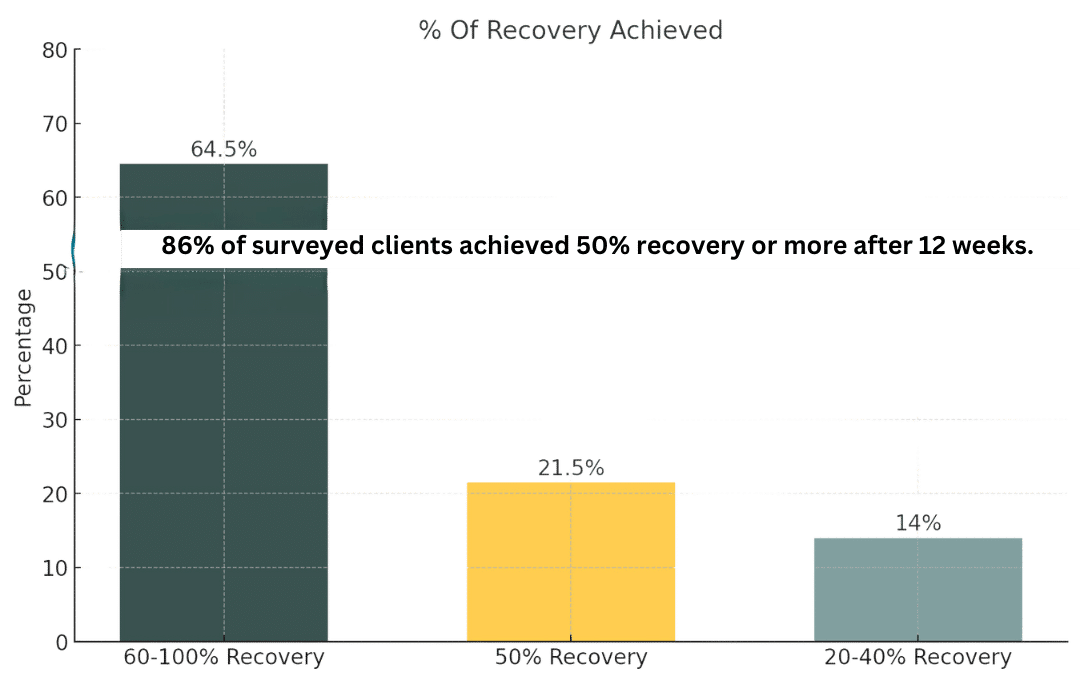

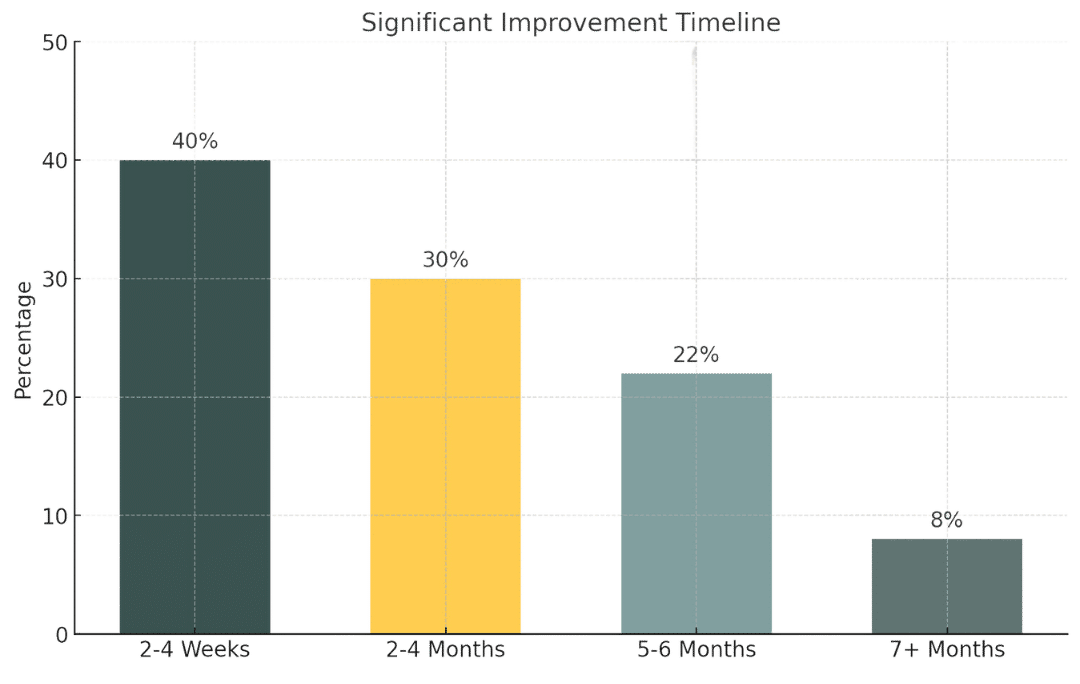
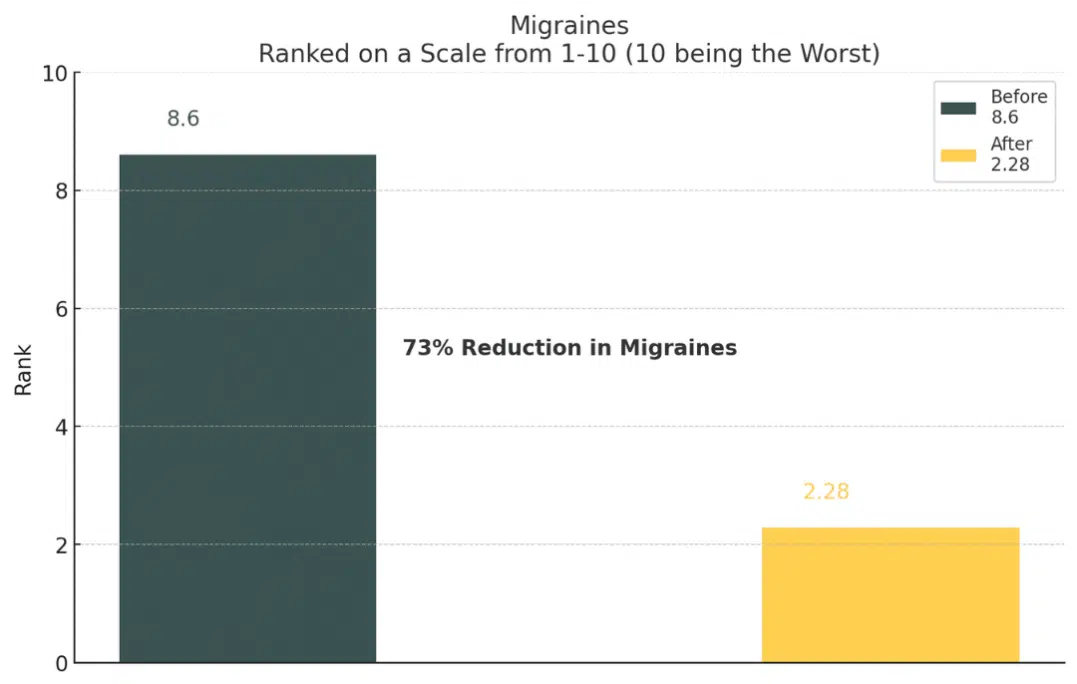
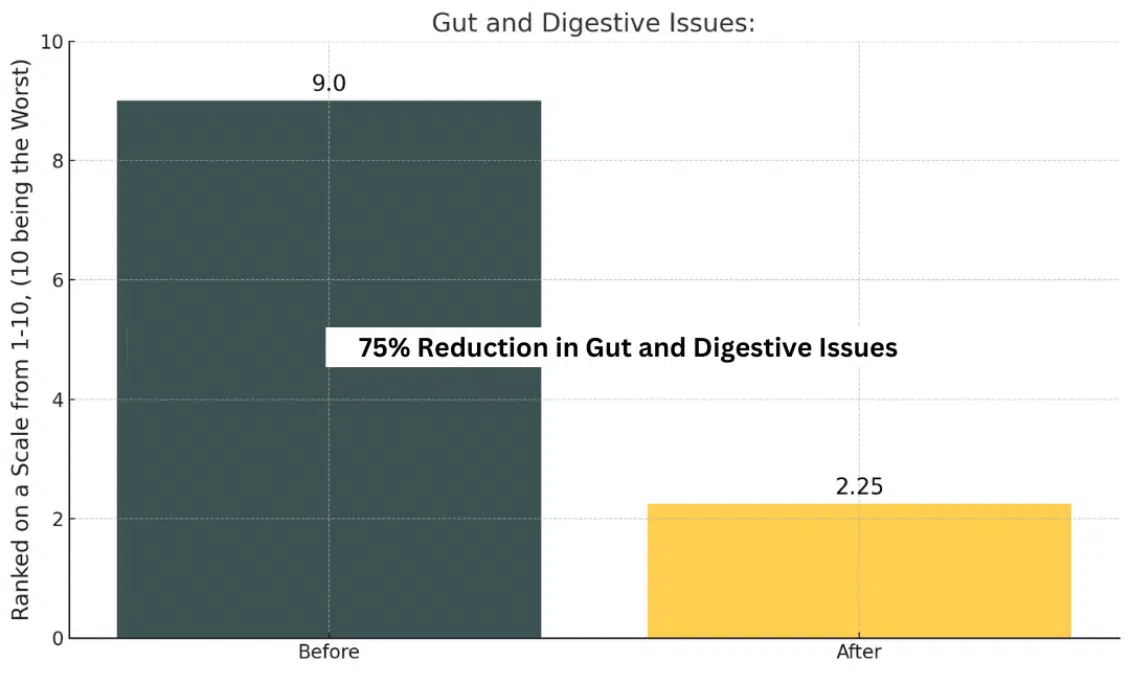
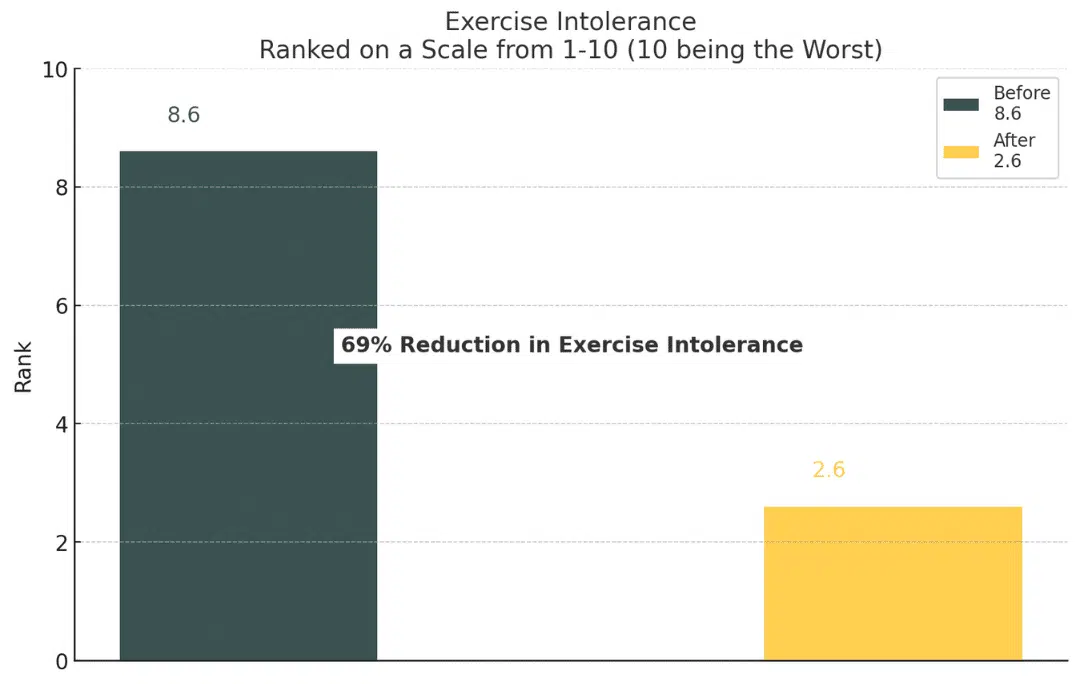

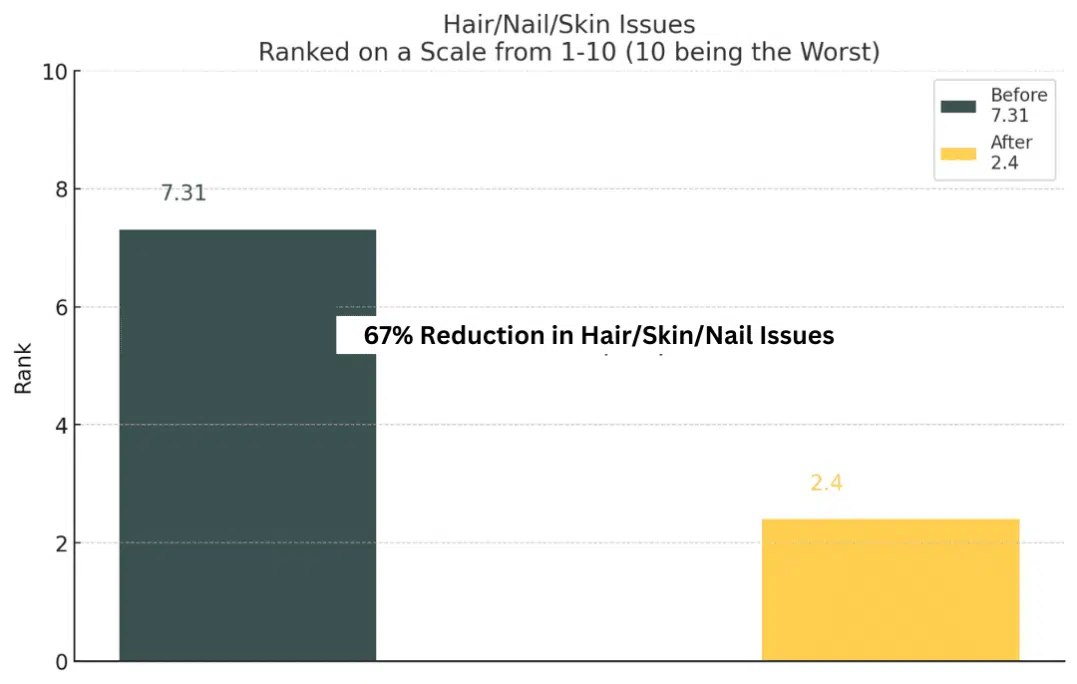
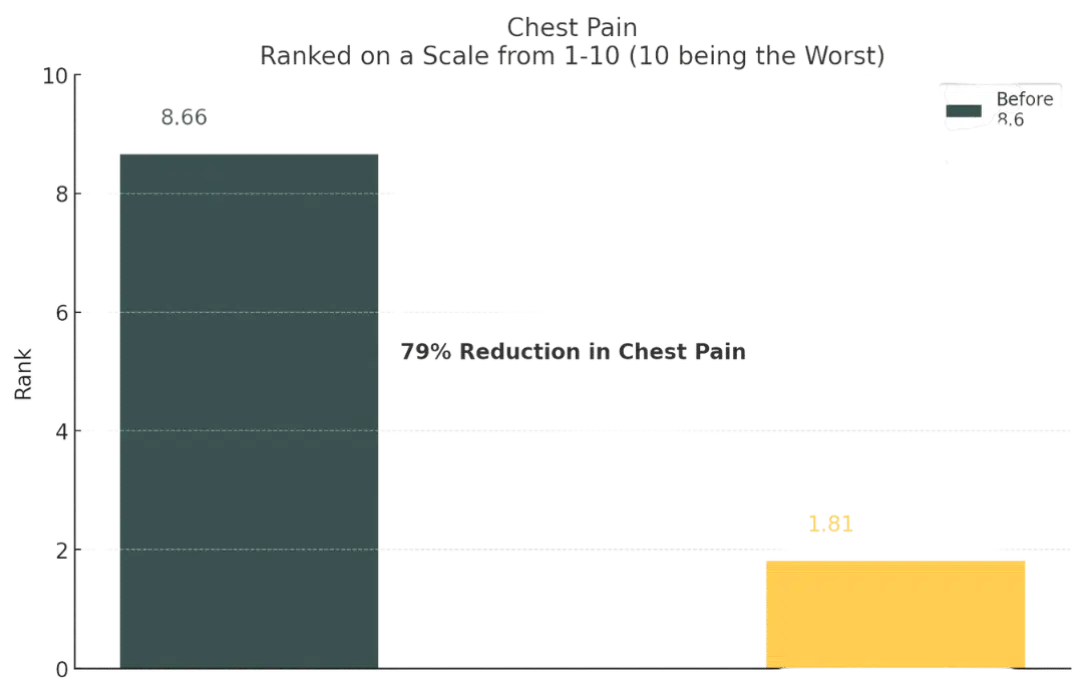
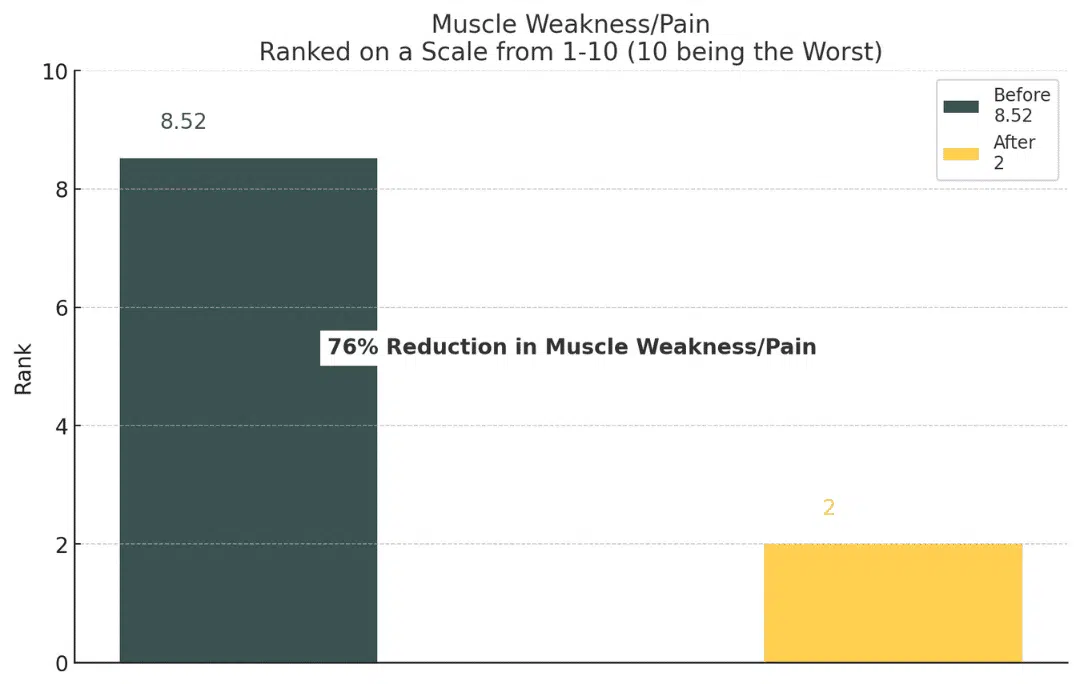
Tracking doesn't create progress, but it guides, accelerates, and optimizes it. Without clear markers of improvement, it's easy to feel stuck or uncertain about whether what you're doing is working.
How It Works: The Back-End Tracking System
Data + Personalization = Faster Recovery
Tracking symptoms, lifestyle, and nervous system shifts.
Blood ketones, blood sugar, and other key indicators.
Practitioner-led recommendations specific to your results.
We refine your plan based on your progress.
We work with people whose symptoms don't fit neatly into conventional medicine, and who deserve answers, not just management.
Fibromyalgia, Lupus, Hashimoto's Thyroiditis, Multiple Sclerosis, Rheumatoid Arthritis, Adrenal Fatigue, POTS, MCAS, ME/Chronic Fatigue, Lyme and other debilitating diseases.
Many of our clients have visited multiple doctors without receiving a clear diagnosis. They often experience extreme fatigue, heart palpitations, and symptoms frequently misdiagnosed or labeled as psychosomatic.

Many of our clients suffer from disrupted sleep patterns, leading to non-restorative sleep and conditions like insomnia, which severely impact their well-being.

Symptoms such as changes in skin color, dryness, and acne-like blemishes are common. Clients may notice their feet and legs turning purple or pink due to blood pooling.
Light, sound, and temperature sensitivities are typical. Clients often report needing sunglasses indoors or struggling with even slight temperature changes.

Brain fog, memory issues, and physical difficulties such as muscle pain and weakness are prevalent. These impairments make daily tasks challenging and affect quality of life.

Frequent infections and severe autoimmune responses are common, complicating health further and often leading to additional diagnoses.
The variability in symptoms makes planning activities difficult, as capacity to participate can change dramatically from one day to the next.
"At the Integrated Health Foundation, we specialize in recognizing and treating these complex symptoms. Our holistic approach addresses the root causes and provides personalized care plans that promote lasting health transformations."
We emphasize the importance of nutrients in chronic disease and understand the key role it plays in the microbiome, nervous system and overall healing. Our unique, study supported diet combines thousands of years of human digestive progress with a powerful understanding of the gut biome in health and mental resilience. Because each case we work with is unique, we strive to incorporate root causation, developing a nutrition plan specific to the individual.
The limbic system plays a crucial role in regulating emotions and stress responses. Our program includes techniques to retrain the limbic system, helping clients manage stress and improve emotional resilience. We provide strategies, education and accountability to assist in balancing the sympathetic and parasympathetic nervous systems.
The brain and nervous system are influenced throughout the day by each task performed. For the chronically ill, nervous system regulation is crucial. The lifestyle modifications not only bring a safe, calm environment but also stimulate specific areas of the body to tone, modulate and synchronize their particular organ systems, allowing whole-body restoration.
We understand that dysautonomia and other chronic illnesses can be extremely isolating and discouraging. Because of this, we have designed our program around building a knowledgeable community where clients can support and lift each other. Clients are significantly more likely to be successful in this type of collaborative environment.
Chronic health conditions often present a myriad of confusing and widespread symptoms, leading to a cascade of diagnoses that can leave you feeling overwhelmed or uncertain about your next steps. At the heart of these conditions lies a dysregulated nervous and immune system, making them the key areas to address first.
As such, the main focus needs to be on repairing, rebuilding, and balancing the nervous and immune systems. If these core issues are addressed the rest is sure to follow.
The IHF Protocol is a nutritional, limbic and lifestyle protocol designed to do the following:

The gut, often referred to as the 'second brain,' contains around 100 million nerve cells that significantly influence our nervous system, mood, and immune health.
The helpful bacteria in your gut, called the microbiome, and the things they make are very important for keeping your body's automatic functions healthy.

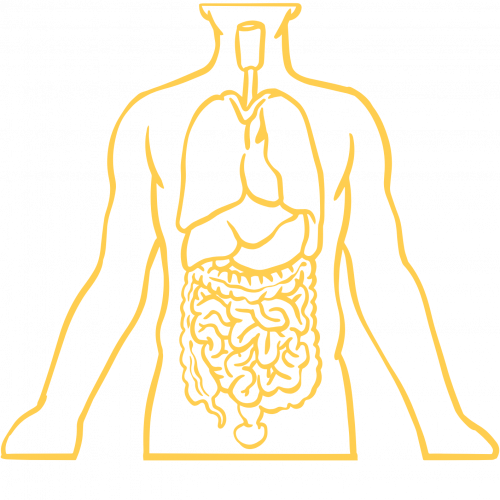
It covers the skin outside our body and powers our digestive system inside, composed of trillions of bacteria, parasites, and viruses. The human body has more bacterial cells than human cells.

99% of the genetic diversity in your body comes from these bacteria, not from your parents. The human body is a combination of its native and acquired genetic diversity.
Bacterial colonies have life cycles of 1 day to 24 months. Controlled die-off can change the microbiome composition beneficially, enabling regeneration of the nervous system.
Initially seeded through the mother's birth canal during natural delivery.
Further seeded through breast milk, rich in beneficial bacteria and prebiotics.
Shaped by close contact with family and caregivers in early life.
C-section birth, sterile formula, and antibiotic use can all impair or completely disrupt healthy microbiome development.
"The intricate relationship between the microbiome and the autonomic nervous system underscores the critical importance of addressing gut health in your recovery journey."
The limbic and nervous systems are closely interconnected, yet they serve distinct roles. Balancing both systems is crucial for restoring overall health.
The limbic system is a specialized part of the nervous system that plays a crucial role in emotional and memory-related functions, while the nervous system as a whole manages communication and control across the entire body.
Many people with chronic health issues experience what is known as limbic hypersensitivity. In this state, the brain remains trapped in a 'fight or flight' response, continuously releasing stress hormones like cortisol, which perpetuates inflammation, anxiety, and chronic symptoms.
Limbic work is the practice done to 'rewire' the brain to produce the happy chemicals, enabling the body to return to a state of balance and calm where it can recover naturally.

Our body constantly reacts to its environment, directly affecting hormones that impact the limbic system, gut microbiome, and nervous system. Regulating your hormones is crucial for nutrient absorption and achieving balance. Developing new daily-lifestyle practices helps align the hormonal system with the body's natural rhythms, promoting deep, restorative sleep which is essential for repair.
Scary movies and modern intense music decrease nerve function. Opt instead for funny movies and classical/gentle music while you are healing.
Cold showers and cold therapy regulate and enhance nerve function.
Snacking and eating frequently deregulate and compromise nerve function.
Poor sleep quality deregulates immune function. Impeccable sleep habits will be required, and these can be developed.
When chronic health patients are studied in sleep labs, they express significant sympathetic surges through the night. This is believed to be a large contributor to the "hit by a bus" feeling patients experience, as they are not achieving deep levels of sleep.
Although chronic health patients typically present with hypersomnia, it is imperative that one wakes at 7am regardless of bedtime. After a few weeks, the body will start to reset, and one will become sleepy at night.

These are just a few of the lifestyle factors that need to be considered and addressed for a client to go into full remission.
Taking responsibility for better health outcomes is 100% necessary with this condition.
Recovering from nervous system dysregulation means shifting the body from sympathetic dominance (survival mode) to parasympathetic tone (safety mode). This requires three sequential phases, each targeting a distinct layer of autonomic dysfunction.
Start by giving the body signals of safety and stability through food. That means eating in a way that keeps blood sugar steady, lowers inflammatory stress, and provides the nutrients needed for the brain, gut, and nervous system to function well. The goal is not just "healthy eating." The goal is helping the body feel safe enough to stop overreacting.
A dysregulated nervous system usually needs rhythm before it can handle intensity. Build a lifestyle that creates predictability and safety: consistent sleep and wake times, gentle movement, morning light, rest throughout the day, and less overstimulation. Small, repeatable habits calm the system more than big efforts do.
Even when diet and lifestyle improve, the nervous system can stay stuck in old threat patterns. Practices like limbic rounds, meditation, visualization, breathwork, and noticing triggers without spiraling can help rewire those patterns over time. This is about gently showing the nervous system a new experience of safety, again and again.
In the early stages of nervous system dysregulation, symptoms usually appear as a loss of resilience. Your body stops "bouncing back" to a calm state after a stressor.
Holding tension in your jaw, neck, or shoulders without realizing it.
Noticing your breath stays in your upper chest rather than your belly.
Catching yourself holding your breath while focused on a task or screen.
Feeling "on edge" or scanning your environment for potential problems.
Jumping or feeling a jolt of adrenaline at normal sounds, like a door closing.
An inability to quiet your mind, especially when trying to rest.
Snapping at small inconveniences that usually wouldn't bother you.
Feeling "spaced out," forgetful, or like your thinking is sluggish.
Frequent fluttering or a "knot" in your stomach.
Feeling physically exhausted but mentally unable to shut down.
Waking suddenly between 2:00 and 4:00 AM with a racing heart.
Becoming easily bothered by bright lights, loud noises, or crowded spaces.
Dysautonomia is the umbrella term for any autonomic nervous system dysfunction. POTS is a specific subtype. MCAS is an immune disorder that frequently co-occurs with both. All three are addressed within IHF's integrative recovery protocol.
"As I began to detox and incorporate limbic work, I felt my brain calm down. The limbic work is far more effective than any therapist I've been to; it's a totally different approach to calming the brain on a subconscious level."
"I knew my nervous system was in constant fight or flight. I was using all these methods to try to deal with it, but I didn't understand there was a huge piece missing. This program brought that through."
"The most surprising aspect was realising that everything in my health was interconnected. My nervous system had been stuck in a chronic stress state. I had been chasing individual symptoms, but it all came down to healing the nervous system first."
Join the IHF waitlist to access our 3-phase nervous system recovery protocol, designed specifically for POTS, MCAS, dysautonomia, and the full spectrum of nervous system conditions. We take a limited number of new clients each intake period.
Limited spots · No spam · Waitlist updates only
