

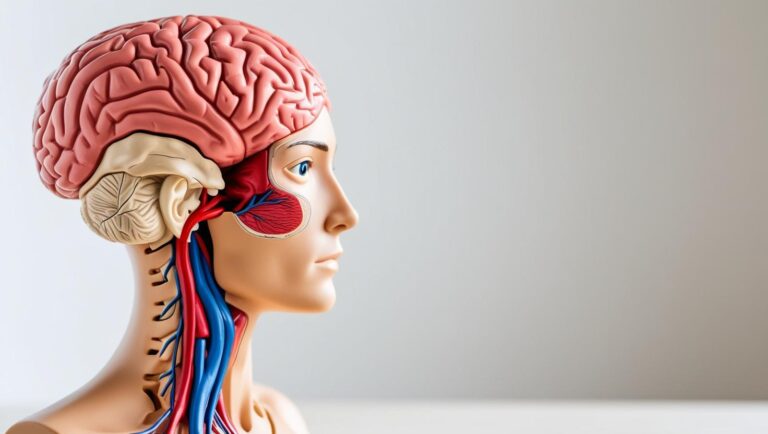
The Brain’s Library: How Calm Shapes Memory, Learning, and Healing

A simple, calming walkthrough of the hippocampus (your internal “librarian”), stress, brainwaves, and how to use repetition and mantras to gently rewire your brain.

Scott Pringle Integrated Health Foundation
Written by Scott Pringle, Founder of the Integrated Health Foundation

The Brain’s Library: How Calm Shapes Memory, Learning, and Healing

A simple, calming walkthrough of the hippocampus (your internal “librarian”), stress, brainwaves, and how to use repetition and mantras to gently rewire your brain.

Scott Pringle Integrated Health Foundation
Written by Scott Pringle, Founder of the Integrated Health Foundation

The Brain’s Library: How Calm Shapes Memory, Learning, and Healing

A simple, calming walkthrough of the hippocampus (your internal “librarian”), stress, brainwaves, and how to use repetition and mantras to gently rewire your brain.

Scott Pringle Integrated Health Foundation
Written by Scott Pringle, Founder of the Integrated Health Foundation

Table of Contents

Let’s talk about a part of your brain that’s kind of like a personal librarian. It’s constantly deciding which of your experiences get to stick around as long-term memories — and which ones just get left behind.

Did you ever wonder why you can remember some silly argument from years ago like it happened yesterday, but the details of a really happy, peaceful day feel kind of fuzzy? It’s a super common thing, and believe it or not, there’s a really good scientific reason for it.

The answer is hidden away in a tiny but incredibly powerful part of your brain whose whole job is to sort through your life’s events. And here’s the fascinating part: how it works is completely tied to your emotions. That’s the real key to this whole puzzle.

1

A Calming Exercise

Prepare Your Brain

Before we dive into what this brain region is, let’s start with how it works, and to do that, we need to get your brain into the right state for learning.

So wherever you are right now, take a moment.

Take a slow, deep breath in… and let it all out.

Now, picture a place where you feel completely calm — maybe it’s a beach, a forest, or even just your favorite chair. Really sink into that feeling of peace.

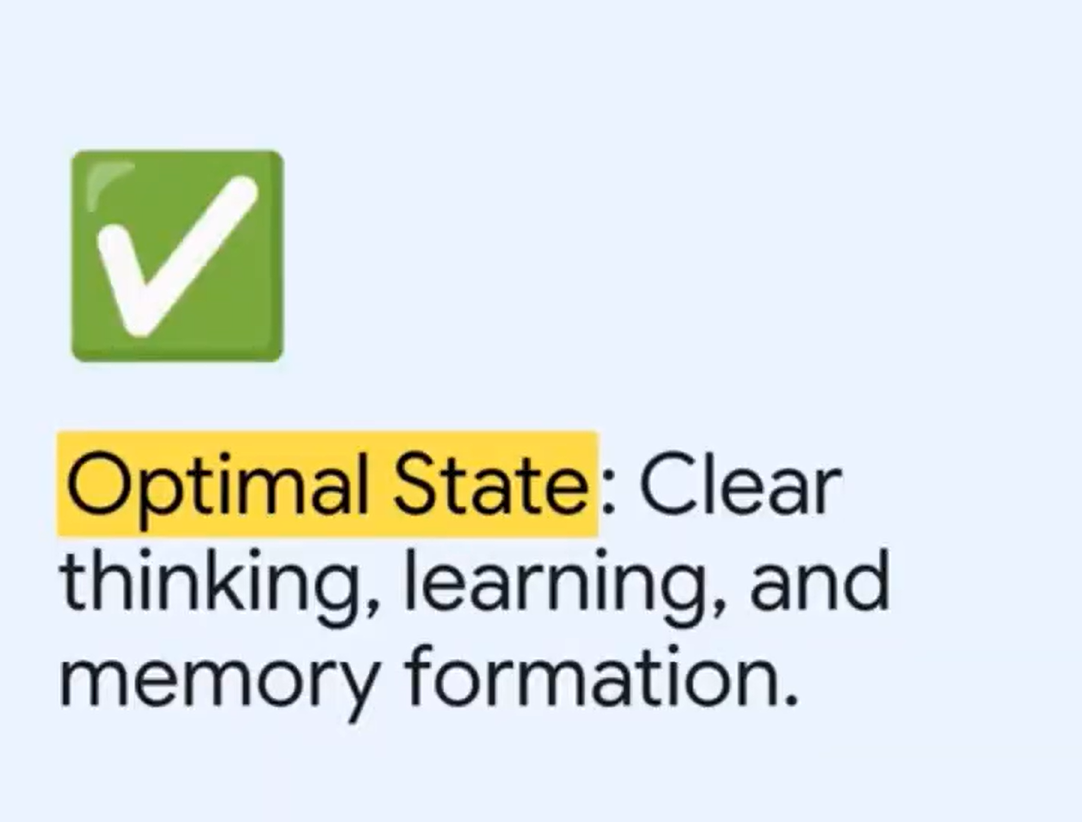
That calm, settled state you just imagined? That’s your brain’s ideal learning zone. Your brain can only truly process new information and create new memories when it feels safe and relaxed.

2

The Brain's Library

The Hippocampus

Now it’s time to meet the star of our show: the brain’s own librarian, the hippocampus. It might be small, but its job is absolutely massive.

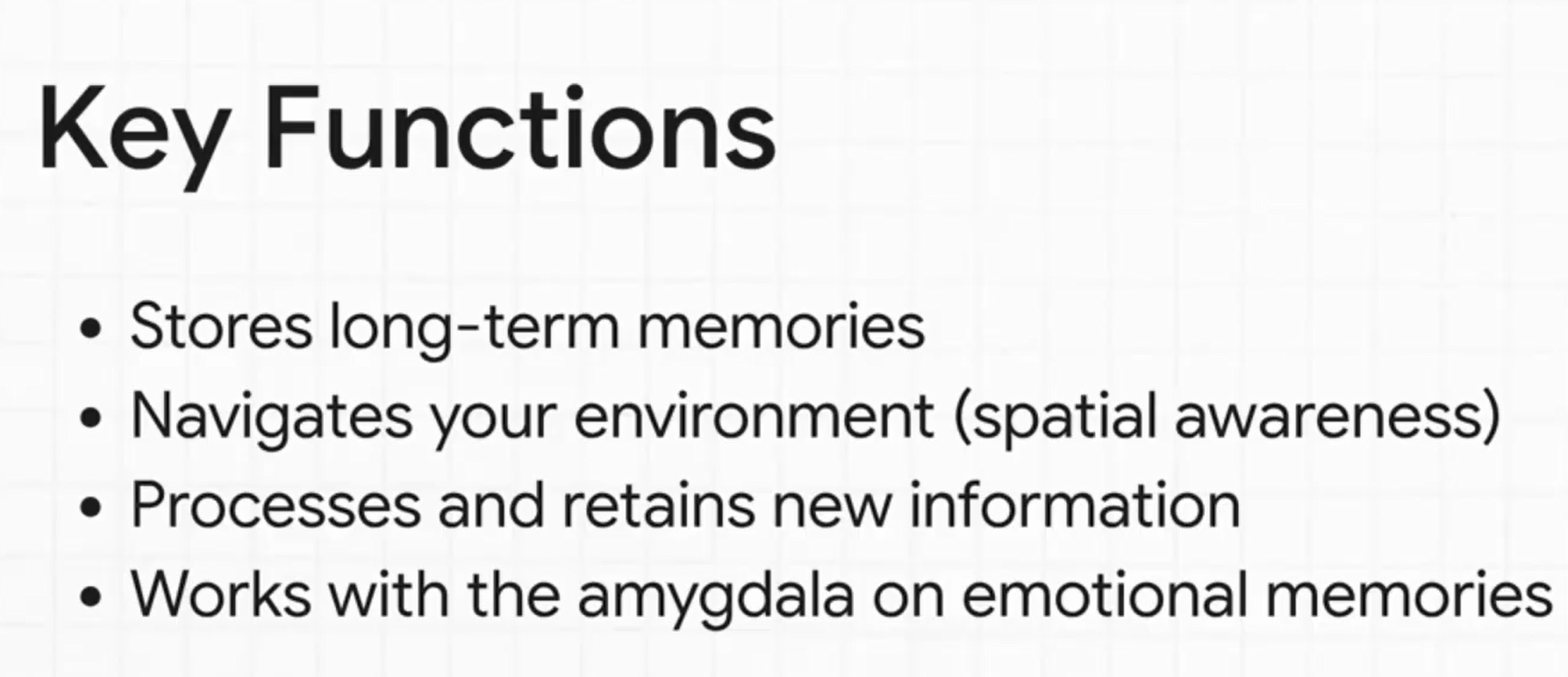
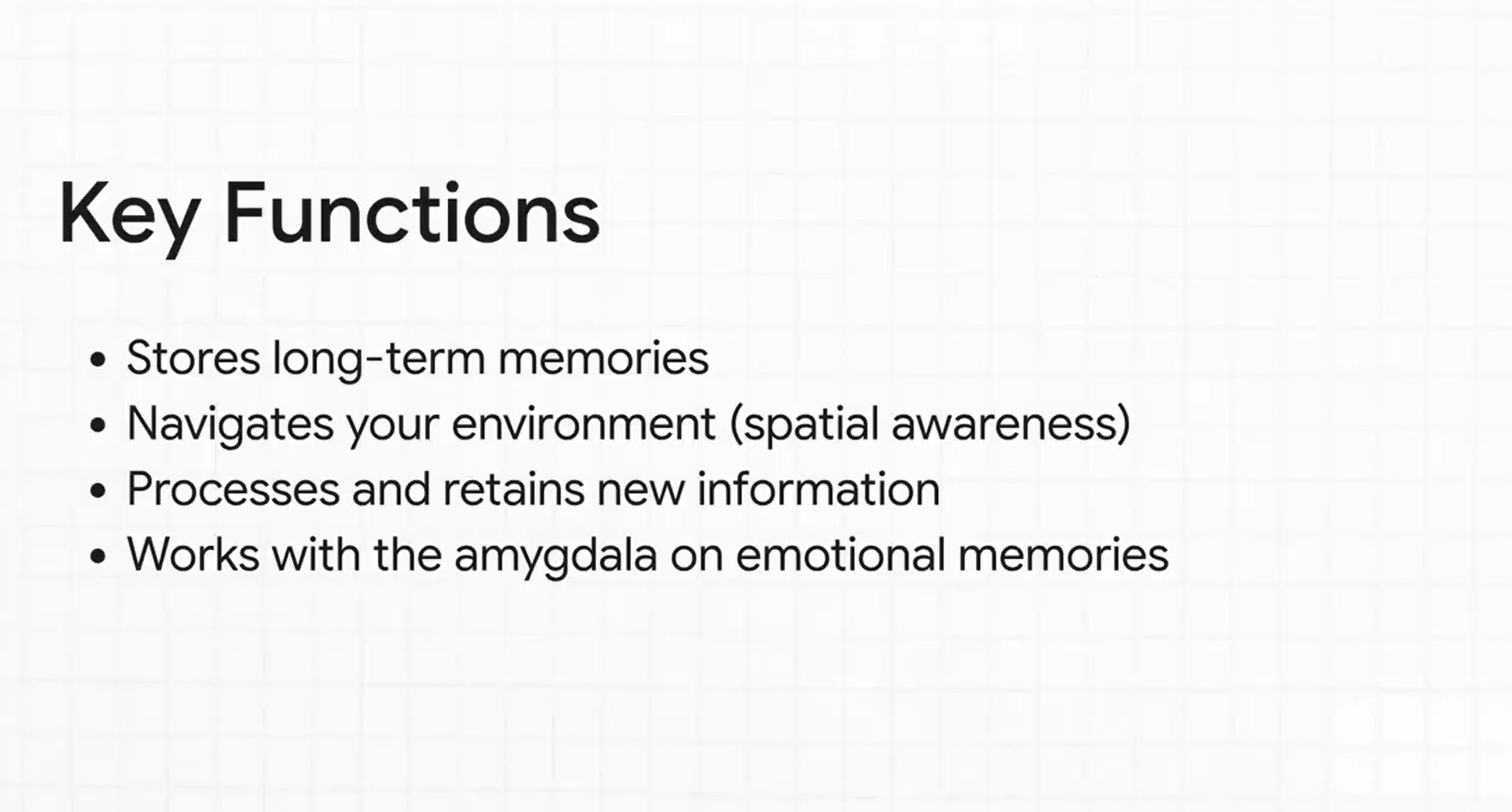
Think of the hippocampus as the main hub for your memory. It constantly sifts through everything that happens during your day — all your short-term memories — and decides:

Is this important enough to store away for the long haul?

Without a healthy hippocampus, everything you experience today would simply vanish. It’s the bridge between this exact moment and the history that makes you you.

Fun Fact:
The first anatomists who saw it thought its curved shape looked like a tiny seahorse — and the name stuck. “Hippo” means horse and “campus” means sea monster in Greek. So yes, your brain literally has a seahorse inside it!

But the hippocampus does more than just convert memories. It also acts as your internal GPS, helping you navigate space (that’s how you remember where you parked your car). It processes new information and works closely with your amygdala, your brain’s emotion center, to stamp memories with feelings.

3

When Overwhelmed

Stress and Brain Fog

So what happens when this super-organized librarian gets overwhelmed?
Just like us, when it’s under too much pressure — from stress or illness — it stops working as well.

When you’re stressed, your body releases a flood of a hormone called cortisol, which directly impacts the hippocampus.

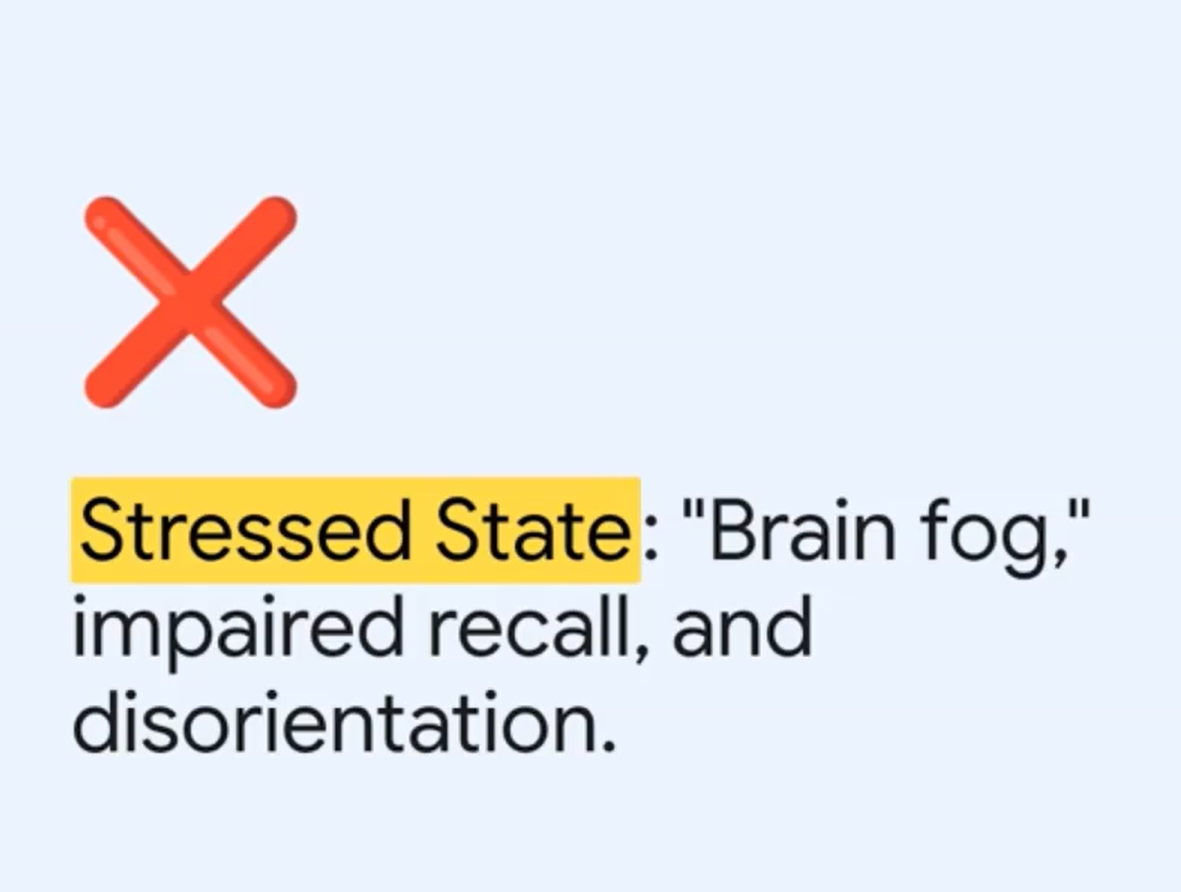
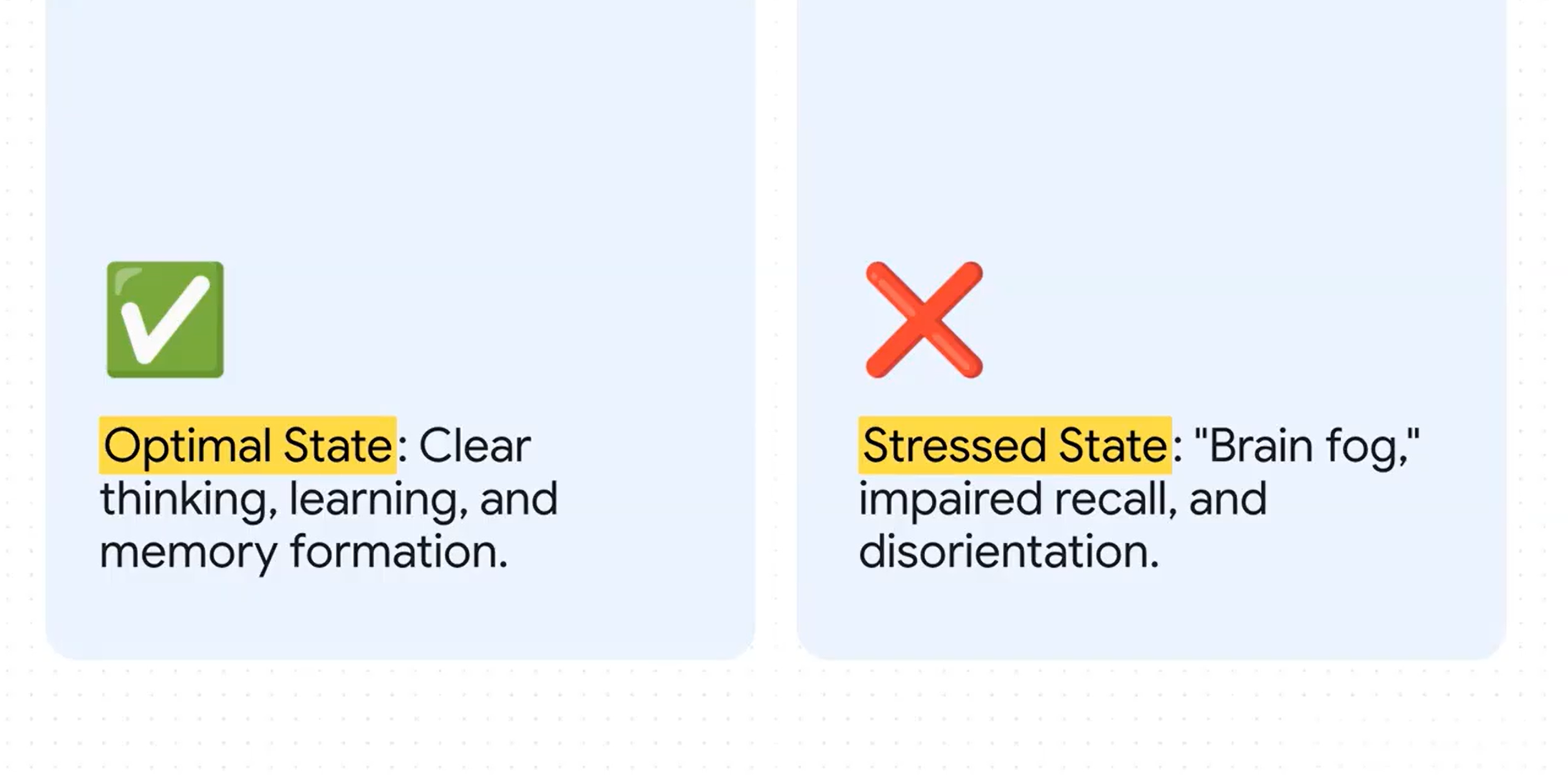
You can feel the difference immediately: when you’re calm, you can think clearly and remember things easily. But when cortisol floods your brain, your hippocampus starts to shut down — that’s when memory gets fuzzy, focus slips, and even simple navigation feels difficult.

That frustrating brain fog you get under stress isn’t a personal failing. It’s actually your brain trying to protect you — hitting pause to prevent a total system overload.

4

The Power of Calm

Reaching the Ideal State

If stress is the problem, calm is the solution. But how do we get there?

The answer lies in your brain’s electrical activity — your brainwaves.
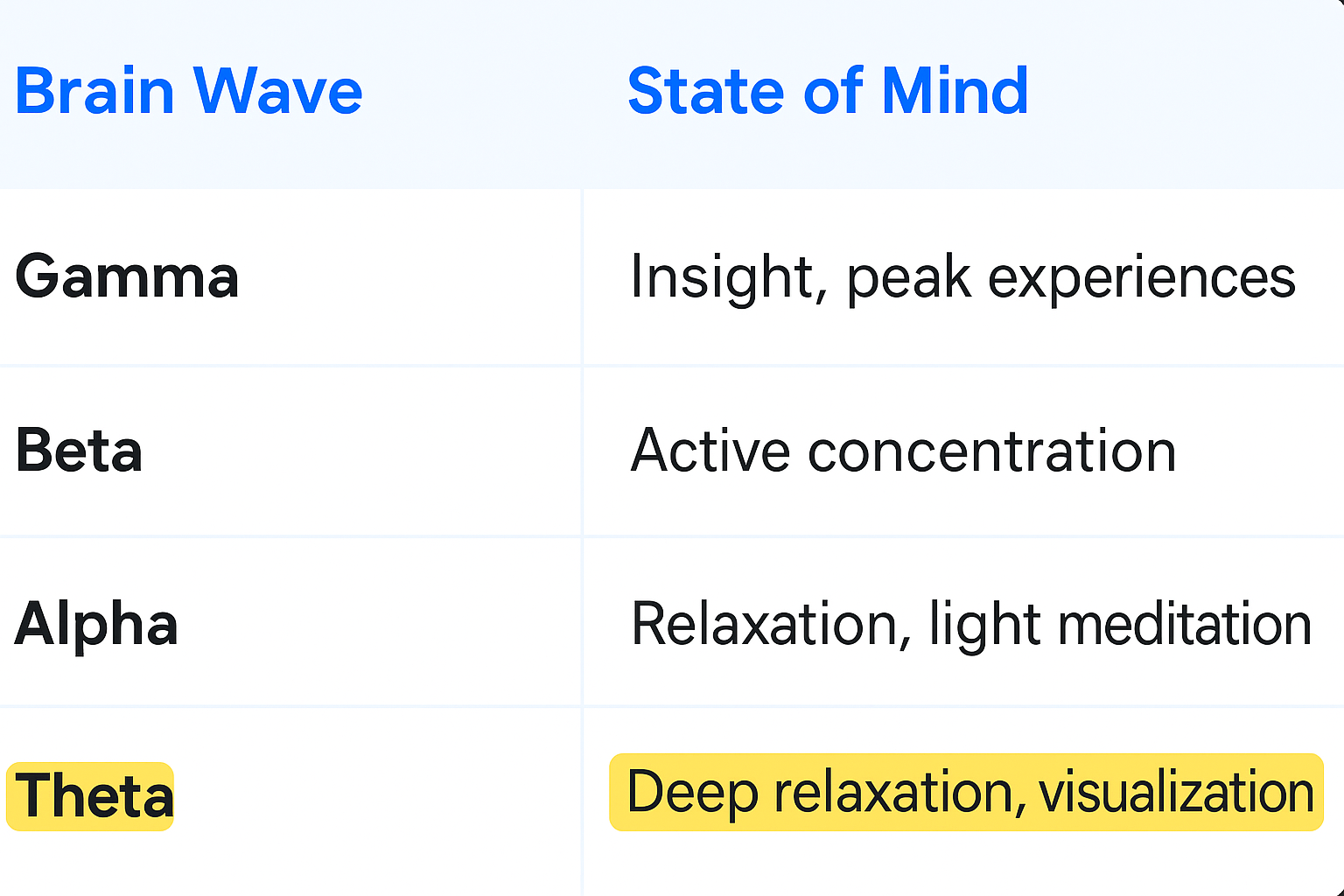
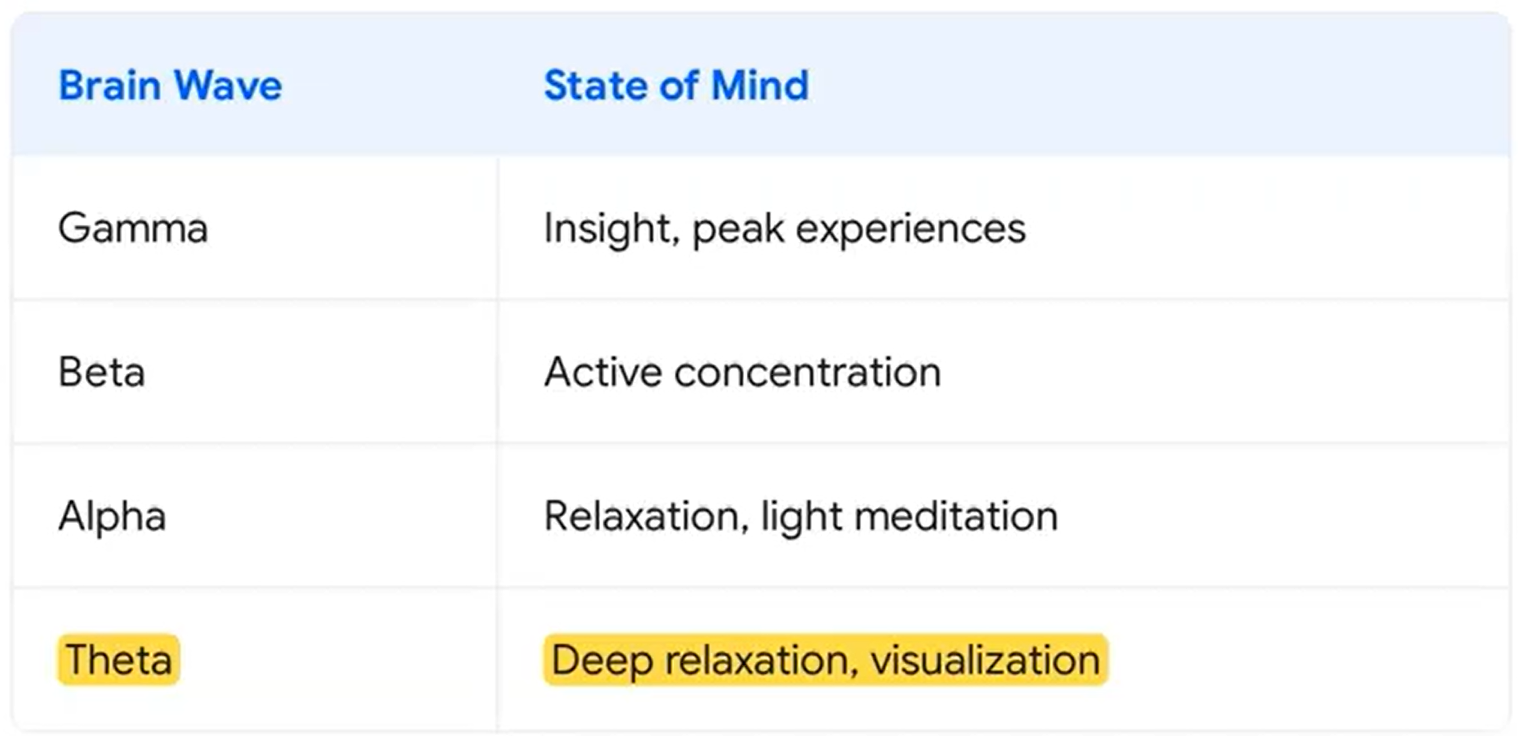
When your brain is firing quickly, you’re in a busy, alert beta state. But the real magic for the hippocampus happens in the theta state — the state of deep relaxation, visualization, and even dreaming.

In the theta state, your hippocampus does its best work: processing experiences from the day and filing them away into long-term memory. It’s the brain’s prime time for learning and integration.

That means the more often you bring yourself into that deeply calm, meditative state, the better your brain becomes at learning, healing, and storing new memories.

5

Rewiring Your Brain

Actionable Techniques

Here’s where it gets really empowering.

You’ve probably heard the saying:

“Neurons that fire together, wire together.”

It’s a simple way of explaining neuroplasticity — your brain’s ability to rewire itself based on what you repeatedly do and think.

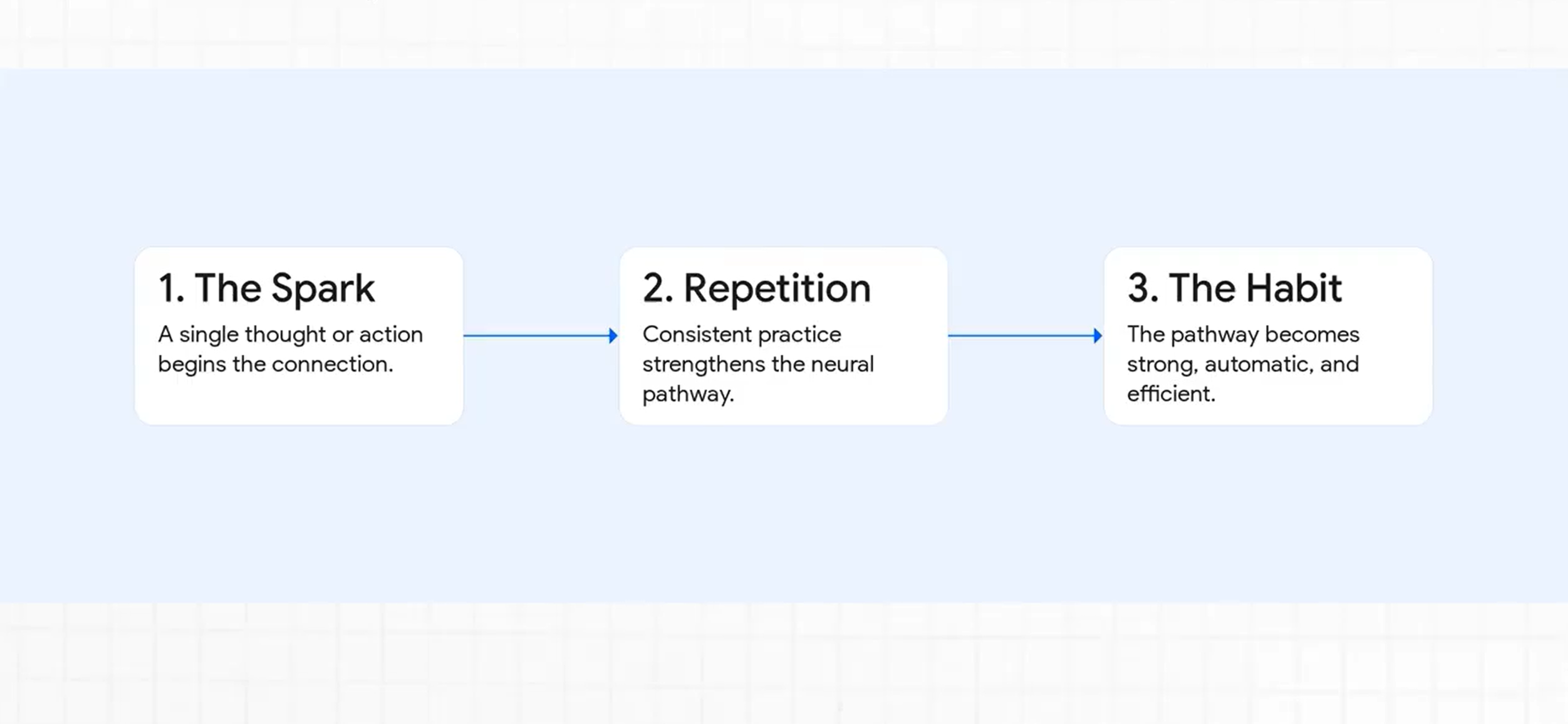
Every time you have a thought or take an action, you’re creating a connection between brain cells. The more often you repeat it, the stronger that connection becomes. Over time, it turns into an automatic habit or belief.

So how can we use that on purpose? One powerful way is through mantras.

Think of it like classical conditioning — just like Pavlov’s dogs learned to associate a bell with food, you can train your brain to associate effort or challenge with healing.

Say you’re doing something difficult but good for your body.

If you consistently repeat a positive mantra like

“This is healing me, this is helping me”

You’re literally building a new neural pathway. You’re teaching your brain to link that action with a feeling of peace and progress instead of dread.

The science is clear: Your brain isn’t fixed.
It’s constantly being shaped by what you focus on, by your thoughts, and by your repeated actions.

The pathways you walk the most become the strongest.
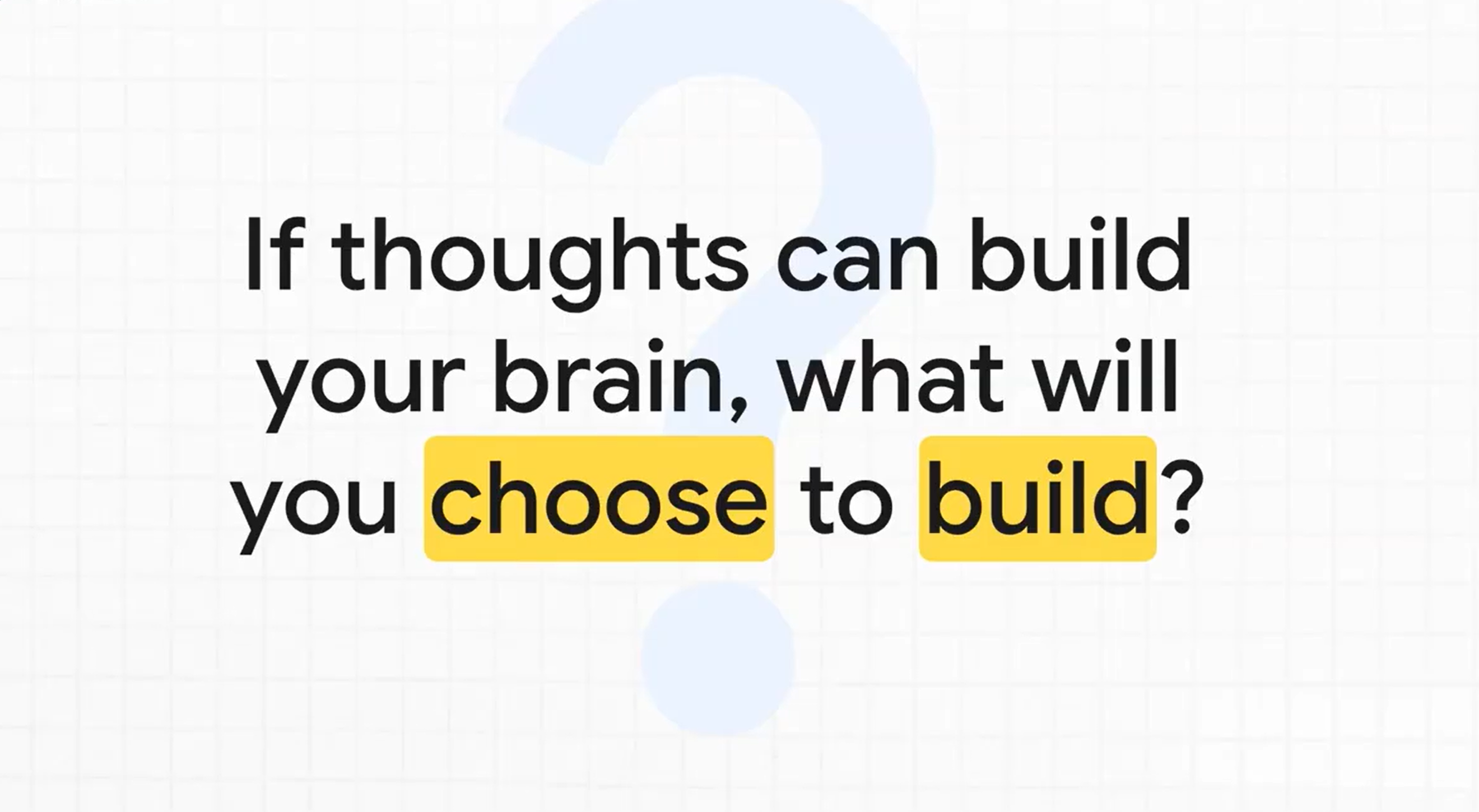
So knowing that — what will you choose to build today?

Do you Have Dysautonomia?

Take our quick and comprehensive symptom assessment to find out if your symptoms align with dysautonomia and receive personalized insights.

Read More Articles

How to Repair Your Autonomic Nervous System

Are you experiencing unexplained symptoms related to your nervous system and you are here because you would like to learn how to repair your autonomic nervous system?
You are not alone. Many clients we work with have seen countless doctors and practitioners, often being dismissed or told it’s ‘all in your head’.
Read More »
Image of a distressed man sitting on the edge of a bed, gripping his forehead in anguish. Vibrant orange lines visually represent his nervous system, indicating a state of emotional dysregulation, highlighted by a gentle wash of natural light from a nearby window. He seeks treatment but doesn't know how to get started.

Nervous System Dysregulation Treatment: Evidence-Based Approaches for Recovery

Are you feeling like your body is betraying you, with symptoms that seem to defy explanation? You’re not alone. Millions struggle with nervous system dysregulation, often misdiagnosed or overlooked. Discover the common thread linking conditions like POTS, fibromyalgia, and chronic fatigue. Our comprehensive guide explores evidence-based treatment options, from nutritional interventions to movement therapies and breathing techniques. Learn how to reclaim your health and well-being by addressing the root causes of autonomic dysfunction. Take our free Symptoms Evaluation Assessment to start today.

Read More »
Understanding dysfunction of the nervous system.

Dysfunction of Nervous System

Are you experiencing unexplained symptoms that doctors can’t seem to pinpoint?
A dysfunction of nervous system might be at the root of your health struggles.

Read More »
Legs wearing light green and blue compression socks.

Compression Socks for POTS

Most POTS patients waste money on the wrong compression garments, making symptoms worse instead of better. If you’ve been struggling with Postural Orthostatic Tachycardia Syndrome (POTS), you know the frustration of trying remedy after remedy with limited success.

Read More »

How do I know if I have dysautonomia?

Dysautonomia is a condition where there is a dysfunction in the autonomic nervous system (ANS) which controls unconscious body functions such as breathing, blood pressure, and digestion.

To get a better idea of this, imagine your body is like a smartphone that suddenly starts glitching—the screen flickers, apps close unexpectedly, and the battery drains quickly. When the hardware and software of technology is not working the way we expect it can be incredibly frustrating. But when the hardware and software of our bodies is disrupted, the effects can be even more devastating.

Read More »

Share This Article