
Constant Dry Mouth Even When Drinking Water?
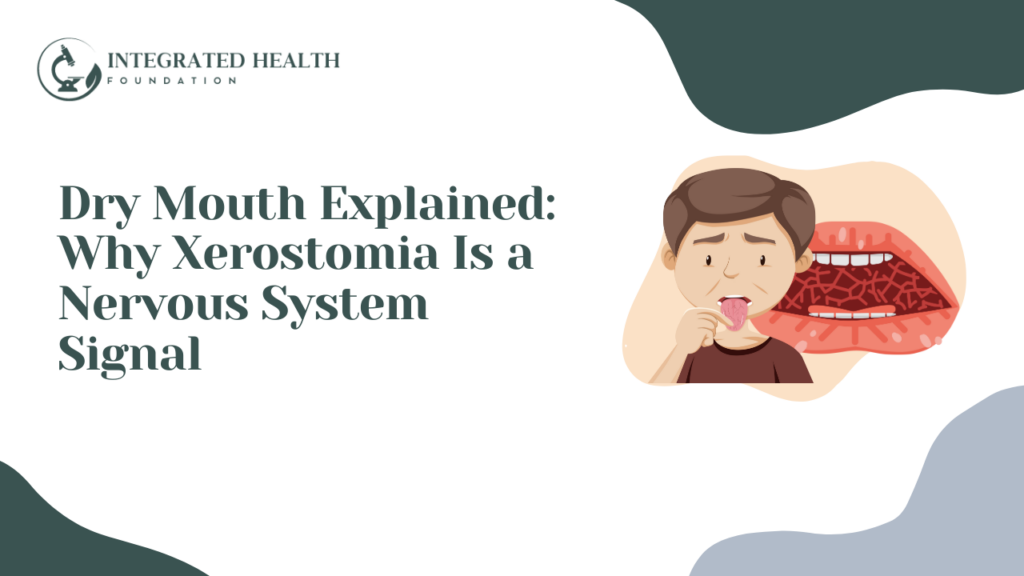
Dry mouth that persists despite drinking plenty of water is rarely just dehydration. This article explains how saliva production is regulated by the nervous system, why stress suppresses saliva, and how chronic dryness reflects a system prioritizing protection over restoration.
Short of Breath With Normal Lungs? It’s Not Your Lungs
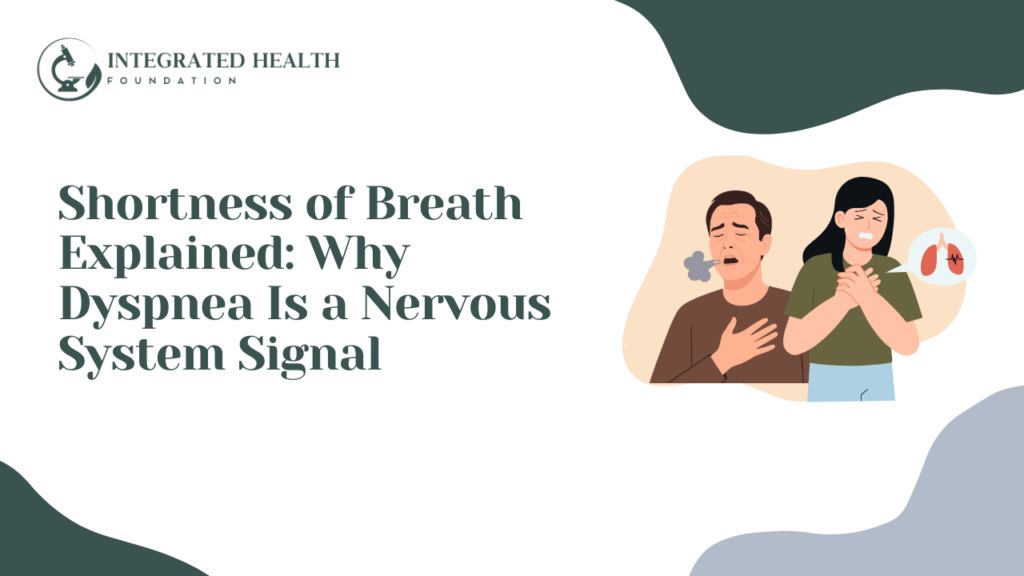
Shortness of breath with normal oxygen is often a nervous system signal. Learn how dyspnea, CO₂ sensitivity, stress, and circulation interact.
Tinnitus Explained: Why Ringing in the Ears Is a Nervous System Signal
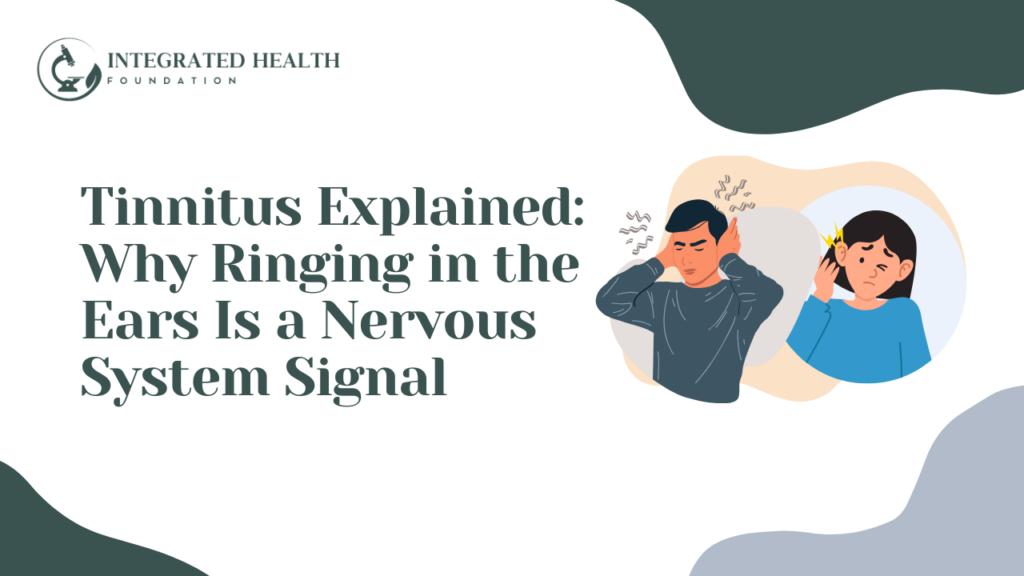
Tinnitus is often misunderstood as an ear disorder, yet persistent ringing reflects changes in brain signaling, nervous system regulation, and stress physiology. Understanding tinnitus as a network-level phenomenon explains why symptoms persist and why regulation, not suppression, forms the foundation of recovery.
Constipation Explained: Causes, Symptoms & Nervous System Roots
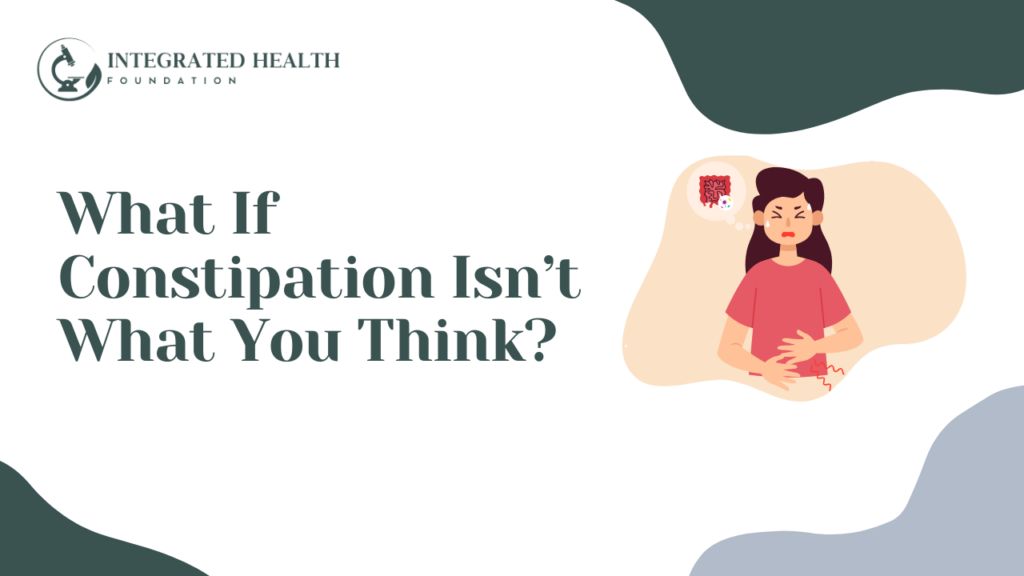
Constipation that persists despite dietary changes often reflects nervous system dysregulation rather than a primary gut disorder. This article explains how autonomic signaling, stress physiology, circulation, and energy availability influence gut motility and why restoring regulation is essential for lasting digestive rhythm.
Why Sweating Too Much or Too Little Signals Autonomic Nervous System Dysregulation
Sweating too much or too little isn’t random. It’s often a sign of autonomic nervous system dysregulation, where nerve signaling, circulation, stress hormones, and inflammation disrupt the body’s ability to regulate temperature.
Nerve Pain Your Body s Alarms

Nerve pain can feel intense even when scans show nothing wrong. These sensations often come from low oxygen, low energy, inflammation, or brain-based threat signals. Understanding these patterns explains why nerve pain is real and why it can feel so strong.
Insomnia: Why the Body Can’t Rest

Insomnia often reflects a safety response, not a sleep defect. When the limbic system, gut signaling, or stress pathways remain activated, the body resists rest. Understanding these signals helps explain why you may feel wired yet exhausted.
Migraine: When the Brain Overreacts to Stress
Migraines are not just severe headaches. Modern science shows they arise from nervous system imbalance involving pain pathways, inflammation, and energy regulation. Understanding migraine as a system-wide overload explains why attacks feel intense and why restoring regulation can reduce frequency and severity.
The Biology of Hopelessness
Hopelessness is not a personal failure but a biological state driven by chronic stress and nervous system overload. When survival mode dominates, the amygdala, stress hormones, and energy systems shift, suppressing motivation and perspective. Understanding this physiology creates a clear path toward restoration.
Why Your Hands Get Freezing Cold

Cold hands and feet often reflect more than poor circulation, they’re signals from the nervous system. This article explains how vasoconstriction, stress, and autonomic imbalance redirect blood flow and what that reveals about the body’s intelligent protective mechanisms.
